
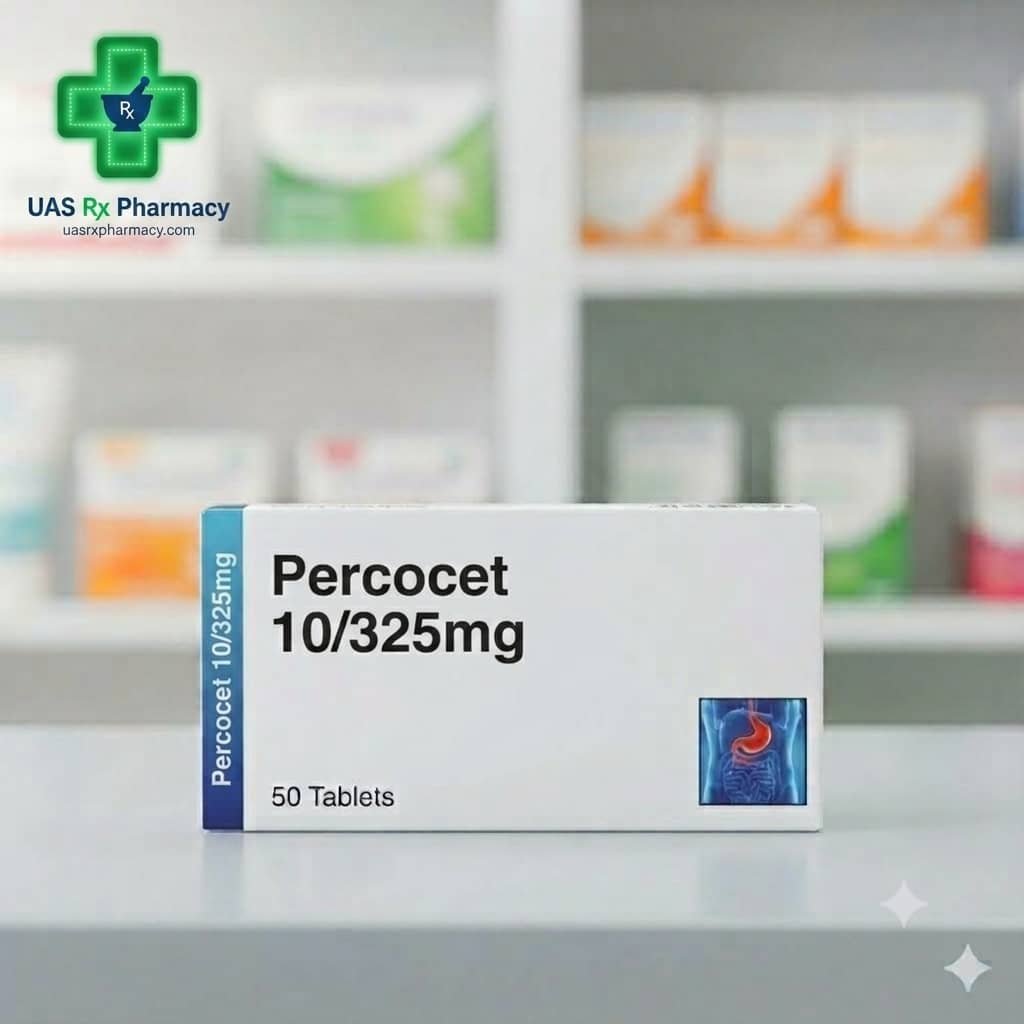
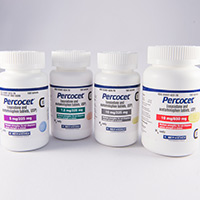
Percocet 10/325mg is a strong prescription painkiller that has two active ingredients: oxycodone (10mg) and acetaminophen (325mg). Percocet 10/325mg is prescribed for relieving moderate to severe pain when relief from other treatments has not been effective. Since it contains an opioid ingredient, Percocet is a controlled substance and should be taken only under close medical supervision.
What Is Percocet 10/325mg Used For?
Percocet 10/325mg is usually prescribed for:
- Post-surgical pain
- Pain due to injury
- Persistent pain that is not relieved by less potent medications
- Severe acute pain, such as following dental surgery, fractures, or trauma
The combination drug eases severe pain effectively by attacking pain in two different ways: Oxycodone is an opioid that changes how the brain responds to and senses pain. Acetaminophen is a non-opioid analgesic and antipyretic that increases the effectiveness of oxycodone.
How Percocet Works
Oxycodone attaches to opioid receptors in the spinal cord and brain, lowering pain tolerance and causing a sense of euphoria or relaxation. Acetaminophen enhances the effect of oxycodone and suppresses inflammation and fever. The combination of these substances makes Percocet 10/325mg appropriate for short-term pain relief in instances where other drugs are inadequate.
Dosage and Administration
The standard dose is one tablet every 6 hours as needed for pain, but always follow your doctor’s specific instructions. Important guidelines: Do not exceed 4 grams (4000mg) of acetaminophen per day, as it may cause severe liver damage. Avoid taking more than six tablets of Percocet 10/325mg in 24 hours unless specifically directed by your doctor. Swallow whole tablets—don’t crush or chew, as this will release the medication too fast and cause an overdose. With or without food. Begin with the lowest effective dose to control your pain and lower the risk of side effects or dependence.
Common Side Effects
Similar to all opioids, Percocet can produce side effects, particularly during early therapy or when the dosage is augmented. Side effects that frequently occur include: Drowsiness Dizziness or lightheadedness Nausea or vomiting Constipation Dry mouth Mood changes To treat constipation, drink plenty of fluids, increase fiber in your diet, and use a stool softener as needed.
Serious Risks and Warnings
Percocet 10/325mg has serious risks, particularly with prolonged use or high dosing: Addiction and dependence: Even when used as directed, oxycodone is habit-forming. Respiratory depression: Large doses may slow or stop breathing, particularly when taken with alcohol or other sedatives. Liver injury: As a result of the acetaminophen content, overdose can result in liver failure. Withdrawal syndrome: Sudden discontinuation of the drug can result in withdrawal—always taper under medical supervision. Call your doctor immediately if you have: Shallow or slow breathing Confusion or severe drowsiness Yellowing of eyes and skin (jaundice) Allergic reaction (rash, pruritus, swelling)
Precautions and Interactions
Before use of Percocet 10/325mg, inform your physician if you have: Liver or kidney disease Breathing difficulties (e.g., asthma, COPD) History of substance abuse Head injuries or seizures Gallbladder or pancreas problems Don’t consume alcohol while using Percocet, as it raises the risk of severe liver damage and overdose. Percocet interacts with:
Other painkillers (particularly opioids) Sedatives and tranquilizers Sleeping pills and muscle relaxants Antidepressants and anti-anxiety medication MAO inhibitors Some antihistamines Discuss your complete medication history with your doctor or pharmacist. Purchasing and Storing Percocet Percocet 10/325mg is a Schedule let controlled substance, so it has to be prescribed and distributed legally. Please do not share your drug, and keep it in a safe place, out of the reach of children, pets, or other individuals who would misuse it.
Percocet 10/325mg provides strong and effective pain relief for moderate to severe pain, but with severe consequences if abused or used without a doctor’s supervision. Always follow your doctor’s instructions, notify your physician of any side effects, and never take more than the directed dose. If used responsibly, Percocet can significantly enhance short-term pain management and aid recovery.
Frequently Asked Questions (FAQs)
1. Why does Percocet 10/325mg contain two different medications?
The combination is designed for “synergy.” Oxycodone changes how your brain perceives pain, while Acetaminophen increases the pain-relieving effects of the oxycodone. This allows for better pain control than using either medication alone at these doses.
2. What is the most important safety rule when taking Percocet 10/325mg?
Never exceed the prescribed dose. Because it contains acetaminophen, taking too much can lead to irreversible liver damage. Additionally, as an opioid, oxycodone carries a high risk for addiction and respiratory depression if misused.
3. Can I take other over-the-counter pain relievers with Percocet?
You must be extremely careful. Many OTC cold and flu medicines or headache relievers also contain acetaminophen. Taking them alongside Percocet could easily push you over the safe daily limit of 4,000mg, risking liver failure.
4. How should I handle the constipation often caused by Percocet?
Opioids naturally slow down the digestive system. It is recommended to increase your fluid intake, eat high-fiber foods, and consult your doctor about using a stool softener while you are on this medication.
5. Is it safe to stop taking Percocet 10/325mg as soon as I feel better?
If you have been taking it for more than a few days, consult your doctor before stopping. Abruptly ending opioid use can lead to withdrawal symptoms. A gradual “taper” is often the safest way to discontinue the drug.


Reviews
There are no reviews yet.